Chania is one of the most beautiful destinations in Greece. And I’m not saying that just because I live here. The number of visitors who come to Chania from all over the world speaks for itself. A medieval Old Town, beautiful beaches for every taste, high mountain peaks and picturesque villages are just a few of the things that make this part of Crete so special.
The list below includes the natural, historical and cultural attractions I think are worth seeing during your trip to Chania.
1. Chania Old Town
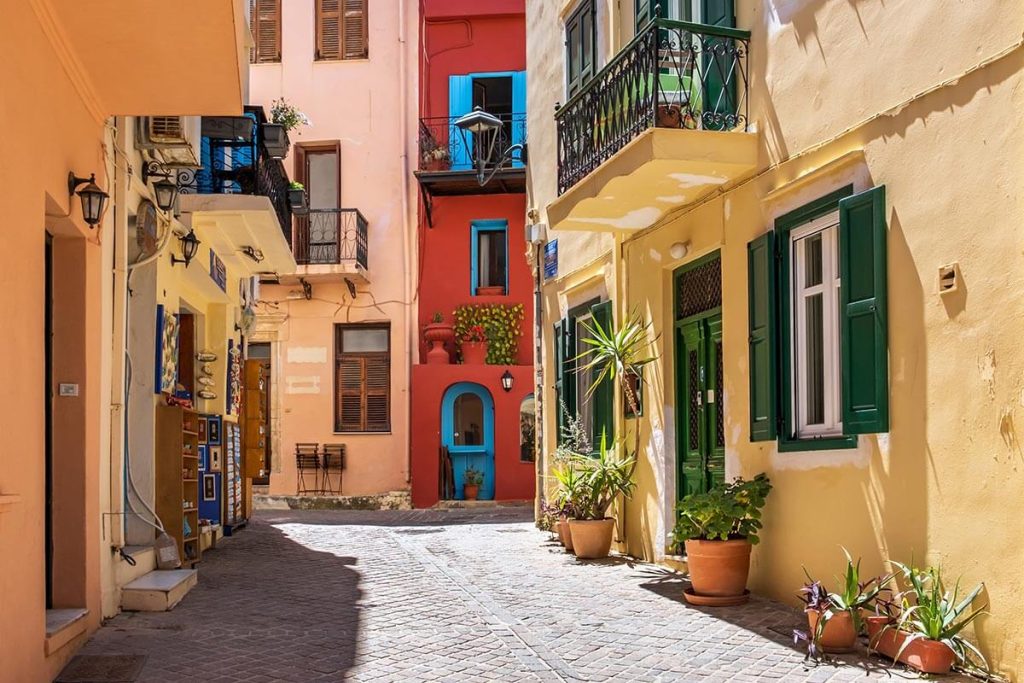
Chania Old Town is an attraction in its own right. It is a maze of narrow streets, stone buildings, small churches, squares, arches and stairways. Walking through its little streets really does feel like stepping into another era.
Of course, the Old Town is also full of places to eat and drink, from traditional tavernas and street food spots to bars and cafés. You’ll also find plenty of shops selling souvenirs and other items to take home from your trip.
2. Chania Old Venetian Port and Lighthouse
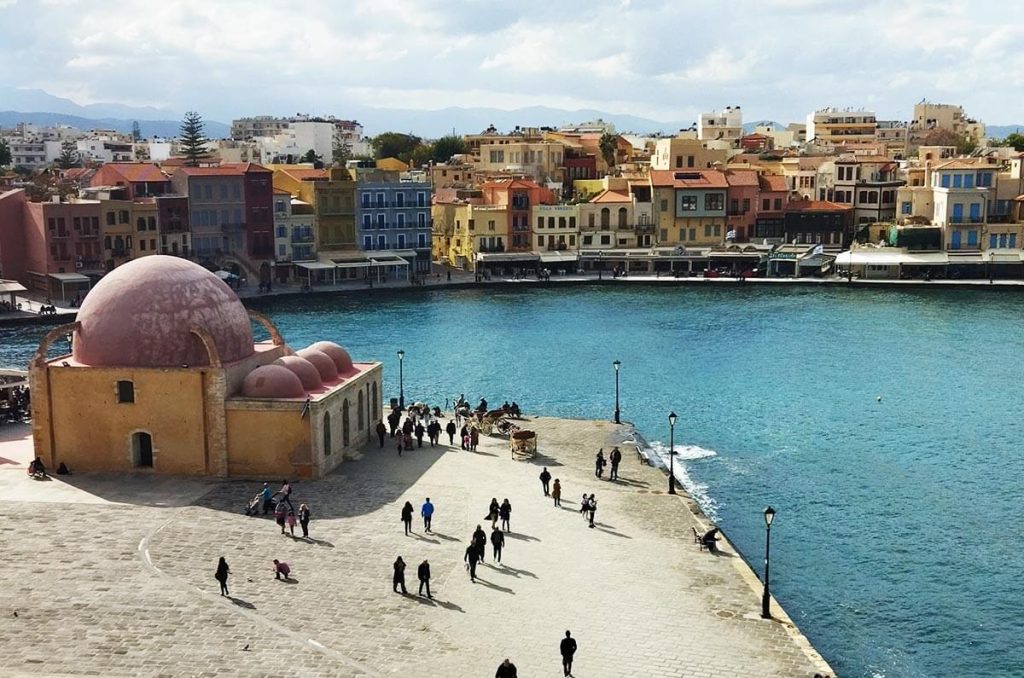
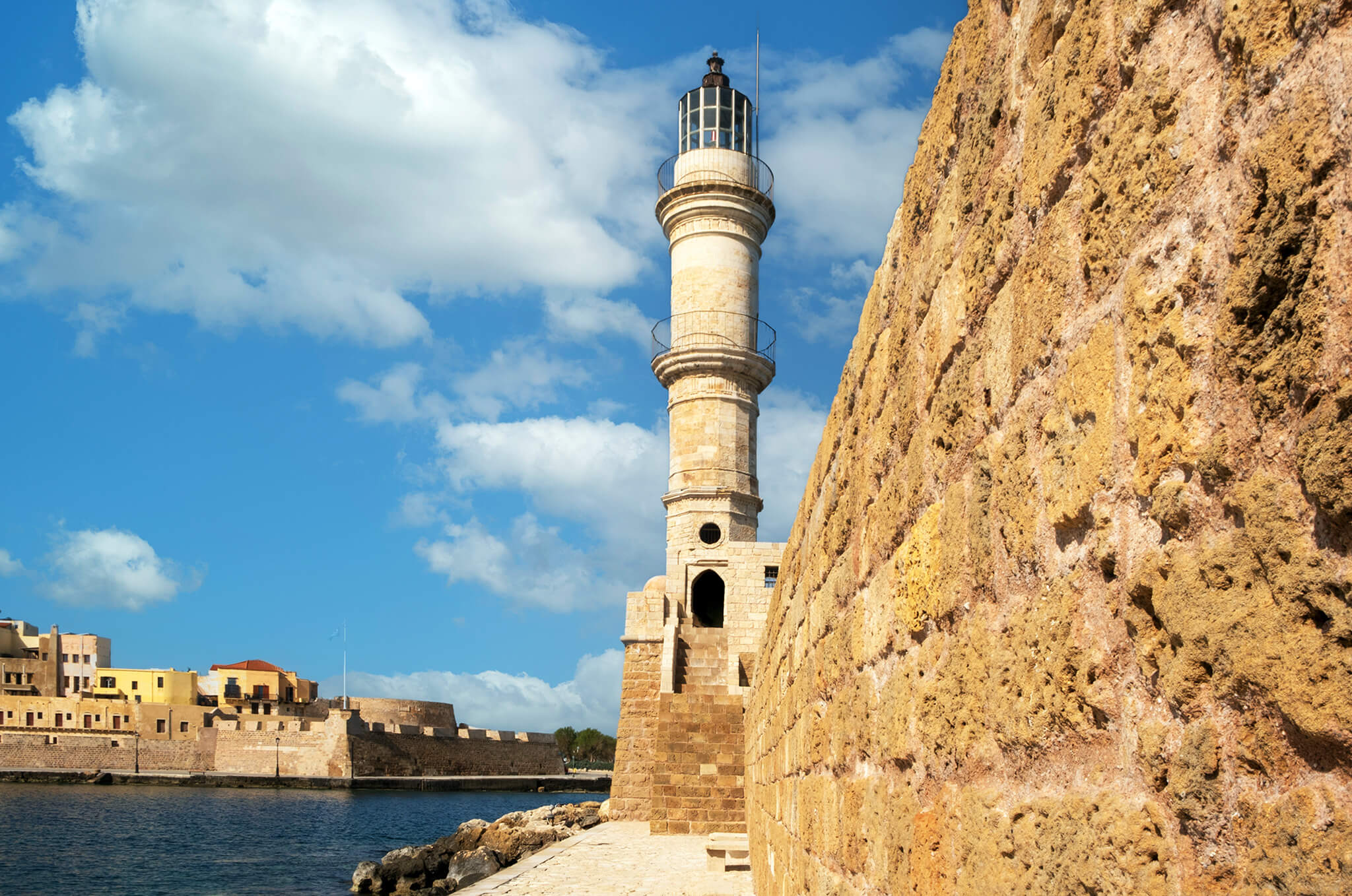
The Old Venetian Port is part of Chania Old Town with its iconic lighthouse, is one of the most popular places in the city.
It’s a perfect spot for your holiday photos, especially around sunset, when the colours in the sky create a beautiful backdrop.
Start your walk at Firkas Venetian Fortress, continue past the Küçük Hasan Pasha Mosque and the Neoria, the Venetian Arsenals and walk all the way to the Lighthouse. It’s one of those walks I think you’ll love.
3. Maritime Museum of Crete
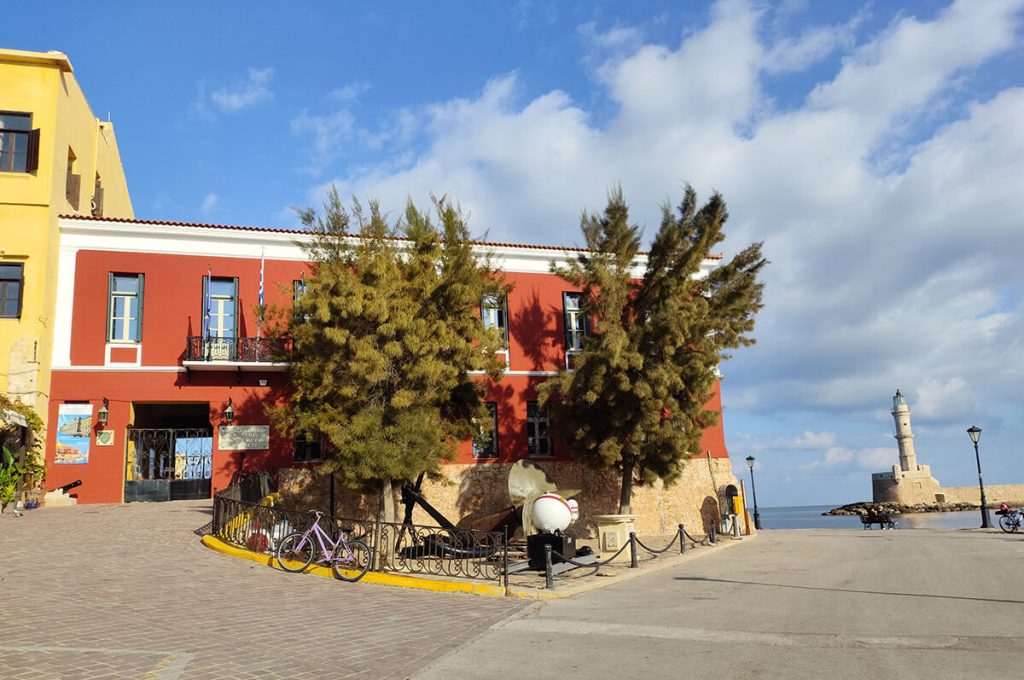
The Maritime Museum of Crete is also located at the Old Venetian Port, right by the entrance to Firkas Fortress. It’s easy to spot thanks to its terracotta-red exterior and the large anchor outside.
Inside, you can learn about Crete’s maritime history through its collections and exhibits.
The museum is open Monday to Saturday from 9 a.m. to 4 p.m. and admission costs €5.
4. Church of Saint Nicholas
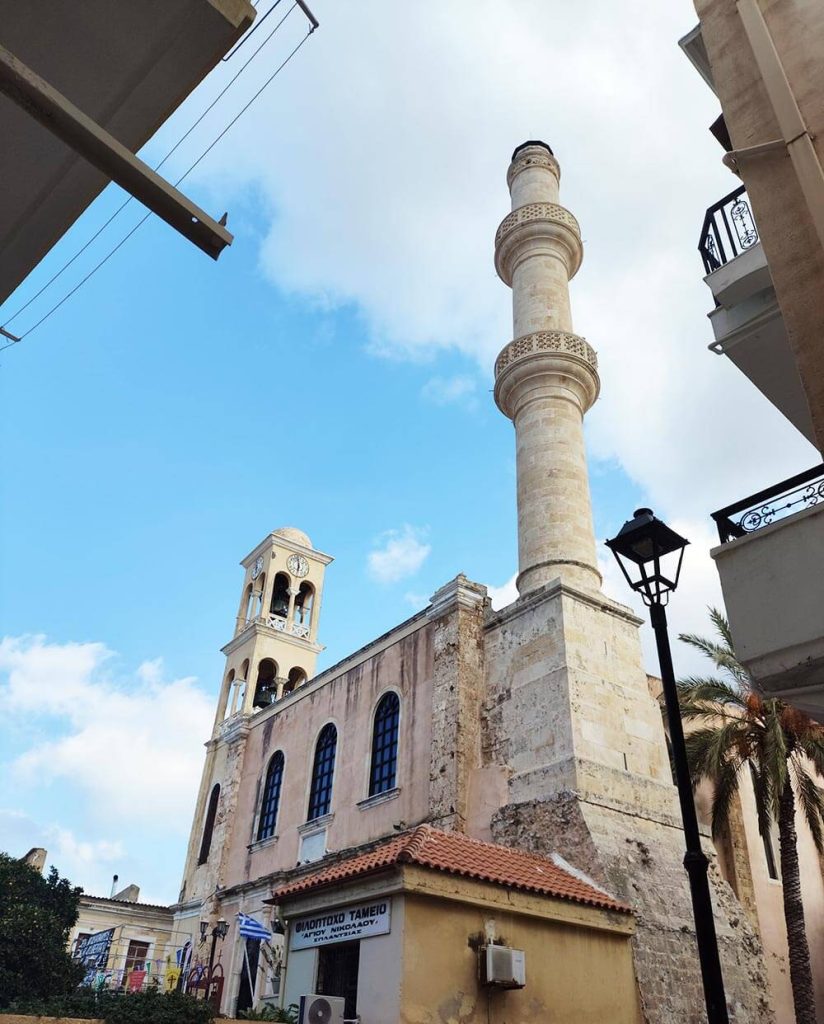
The Church of Saint Nicholas is located in Splantzia Square, also known as 1821 Square.
It dates back to 1320, when it was built as part of a Dominican monastery. During Ottoman rule, it was converted into a mosque and in 1928 it became an Orthodox church.
What makes the building particularly unusual is that it has both a minaret and a bell tower, reflecting different periods of Chania’s history.
5. Archaeological Museum of Chania
The Archaeological Museum of Chania is housed in a modern building that opened in 2022.
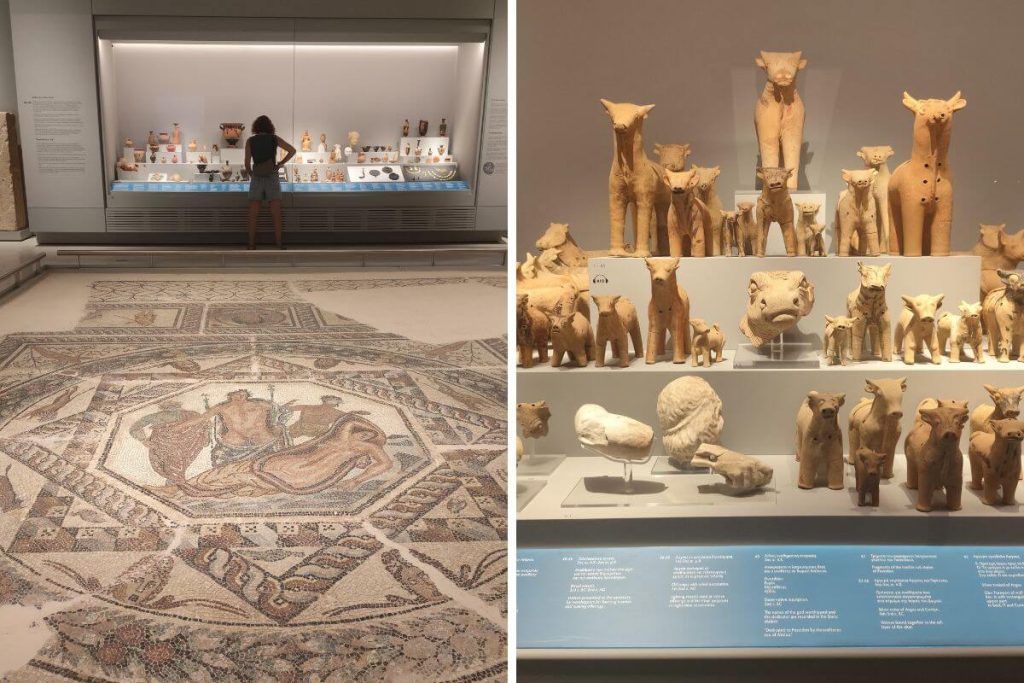
Its collection includes around 3,500 objects dating from the Minoan to the Roman period, including archaeological finds from sites across western Crete.
You’ll see sculptures, pottery, jewellery, mosaics and many other archaeological finds.
The museum is open every day except Tuesday, from 8 a.m. to 8 p.m. and admission costs €15. It is around 2 kilometres from Chania city centre on foot. If you’re driving, there is parking available at the museum.
Tip: There is also a lovely café at the museum with a wonderful view.
6. Balos Lagoon
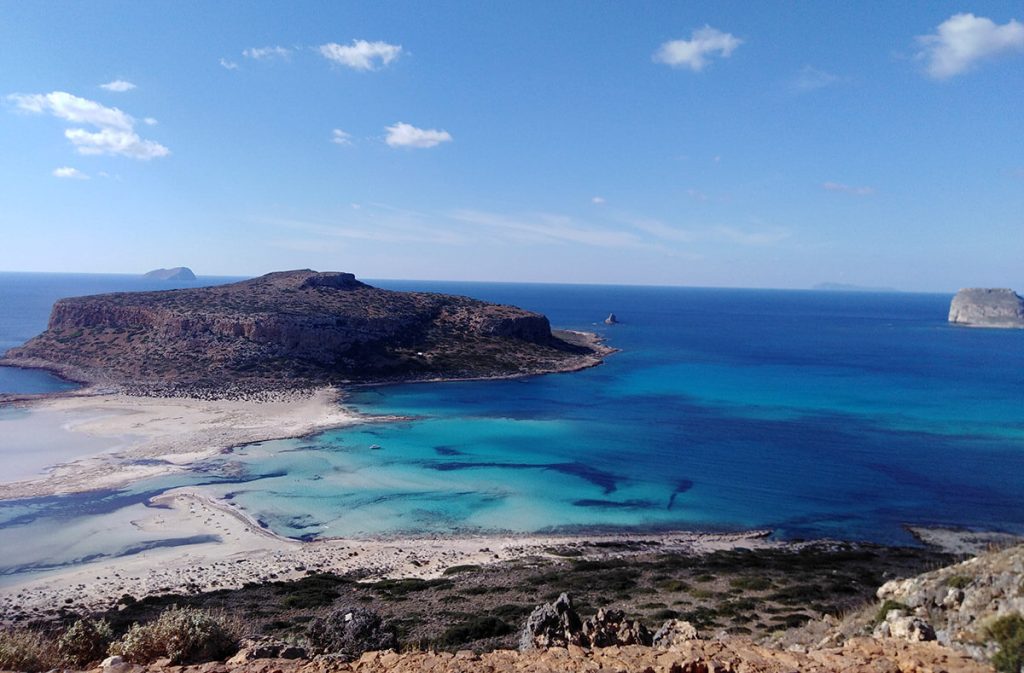
Balos Lagoon is one of the most recognisable places in Chania. It is located on the Gramvousa Peninsula, at the western end of Crete.
The beach is known for its shallow turquoise water and white sand with pink patches. The pink colour comes from crushed shells and coral fragments. Because of its natural beauty and ecological importance, the area is protected.
There are two main ways to reach Balos:
- You can drive part of the way and then follow the footpath down to the beach, which takes around 20 minutes. The road across the Gramvousa Peninsula is unpaved and may not be suitable for every type of car.
- The easier option is to book a place on one of the excursion boats departing from Kissamos Port for Balos and Gramvousa Island. Some tours also include coach transfers from your hotel, so you don’t have to drive to Kissamos yourself. You can see more details here and book your place in advance.
7. Elafonissi
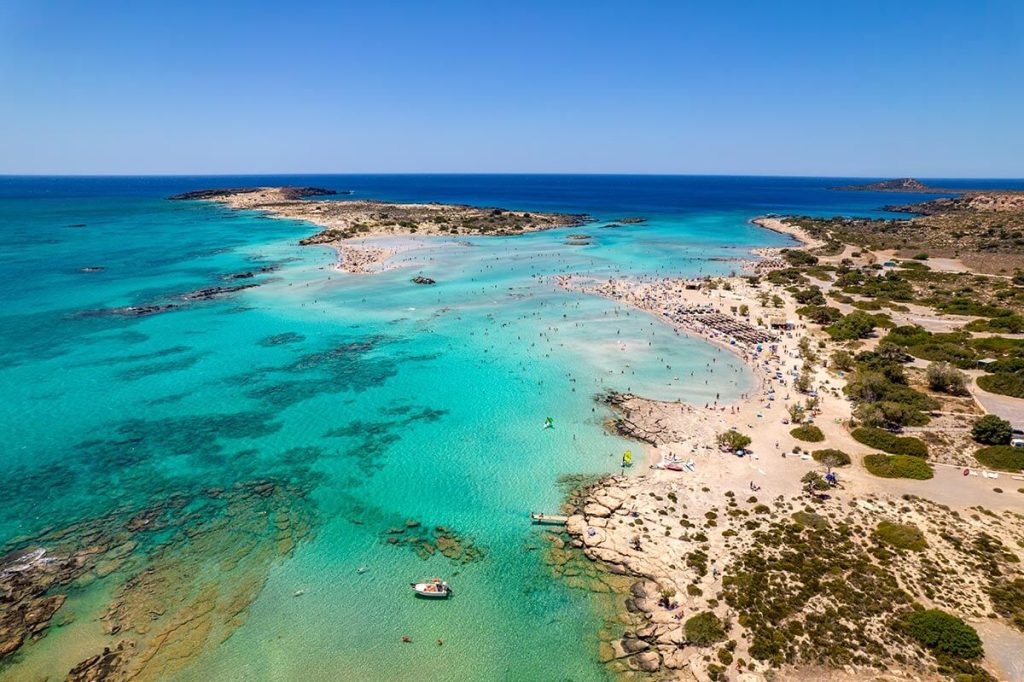
Elafonissi is one of the most famous beaches in Crete and attracts visitors from all over the world.
It is a lagoon with white and pink sand, shallow turquoise water and sand dunes. The scenery feels almost tropical, which is one of the reasons it becomes extremely busy during the summer months.
Unlike Balos, you can reach Elafonissi with your own car. You’ll need to leave your vehicle in the designated parking areas and walk to the beach from there.
I strongly recommend arriving early in the morning if you want to enjoy it with fewer people around.
8. Samaria Gorge
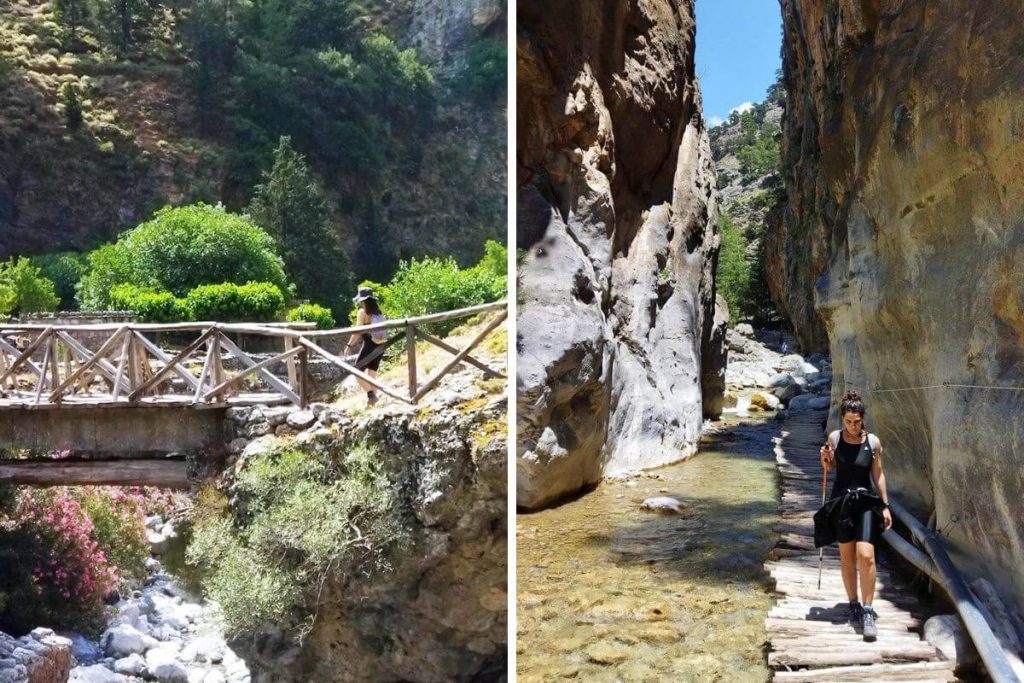
Samaria Gorge is one of the best-known natural attractions in Greece.
The hiking route of Samaria National Park is about 16 kilometres long, with some narrow sections measuring only around three metres across. The trail takes you past streams, rocky cliffs and plenty of greenery, making the walk an experience in itself.
The trail starts at Xyloskalo, near Omalos and ends at the coastal village of Agia Roumeli. Since Agia Roumeli is not accessible by road, you’ll need to take a ferry after completing the hike.
There are organised tours that take care of the practical side of the trip, including transport to Xyloskalo, entrance tickets for the gorge and ferry tickets. The guides can help you keep a suitable pace, plan your stops and stay on schedule. All you need to do is reserve your place here.
Note: Hiking Samaria Gorge is not suitable for everyone. It is a fairly demanding walk that usually takes around 5 to 7 hours, often in strong Cretan sunshine. I wouldn’t recommend attempting it unless you are in good physical condition.
9. Lake Kournas
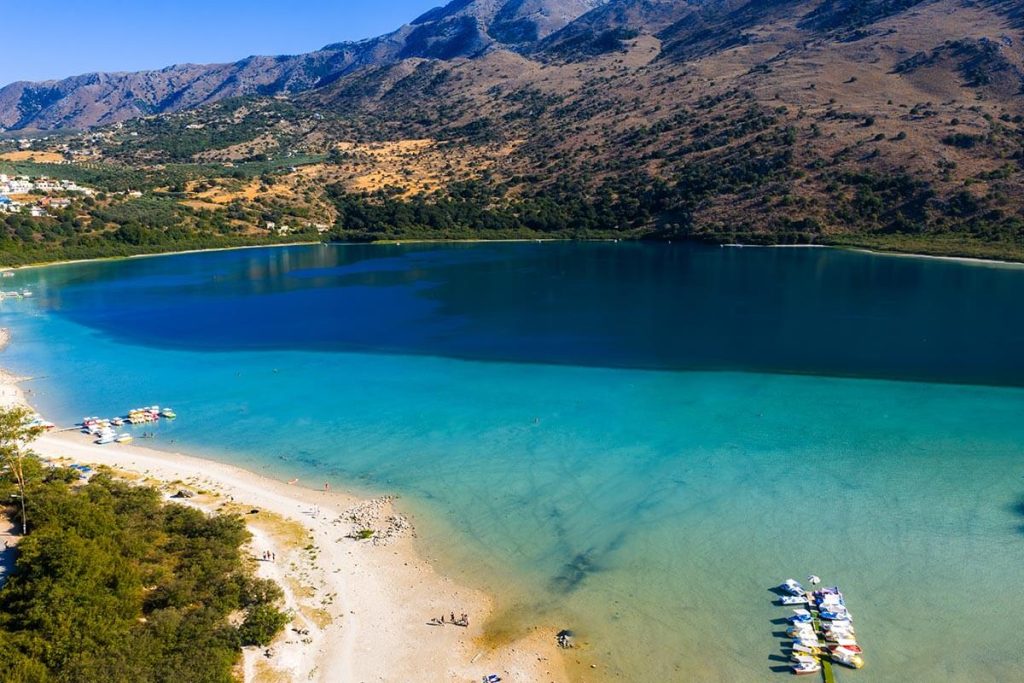
Close to the border between the Chania and Rethymno regions lies Lake Kournas, the only natural freshwater lake in Crete.
The lake is an important ecosystem and is home to water birds, turtles and other wildlife. During the summer, you can swim in the lake or rent one of the pedal boats and explore it from the water.
Afterwards, you can stop for lunch or dinner at one of the restaurants around the lake.
10. Archaeological Site of Aptera
Aptera was one of the ancient cities of Crete and was founded around the 8th century BC on a hill approximately 230 metres above sea level.
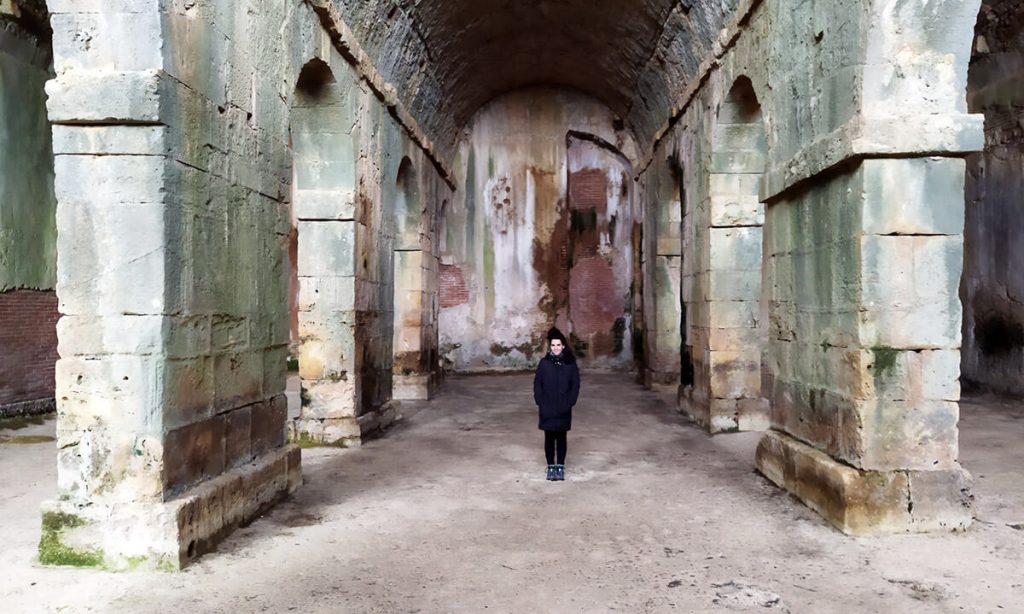
Today, the Archaeological Site of Aptera includes Roman cisterns, baths, fortifications and the Ancient Theatre of Aptera, which is one of the most interesting parts of the site.
The archaeological site is open every day except Tuesday, from 8 a.m. to 6:30 p.m. and admission costs €10.
Nearby, you can also visit the Koules Fortress of Aptera. It is open every day except Tuesday, from 9 a.m. to 8 p.m. and offers beautiful views over the surrounding area.
That brings us to the end of the list. I hope it has helped you decide which places you’d most like to see during your time in Chania.